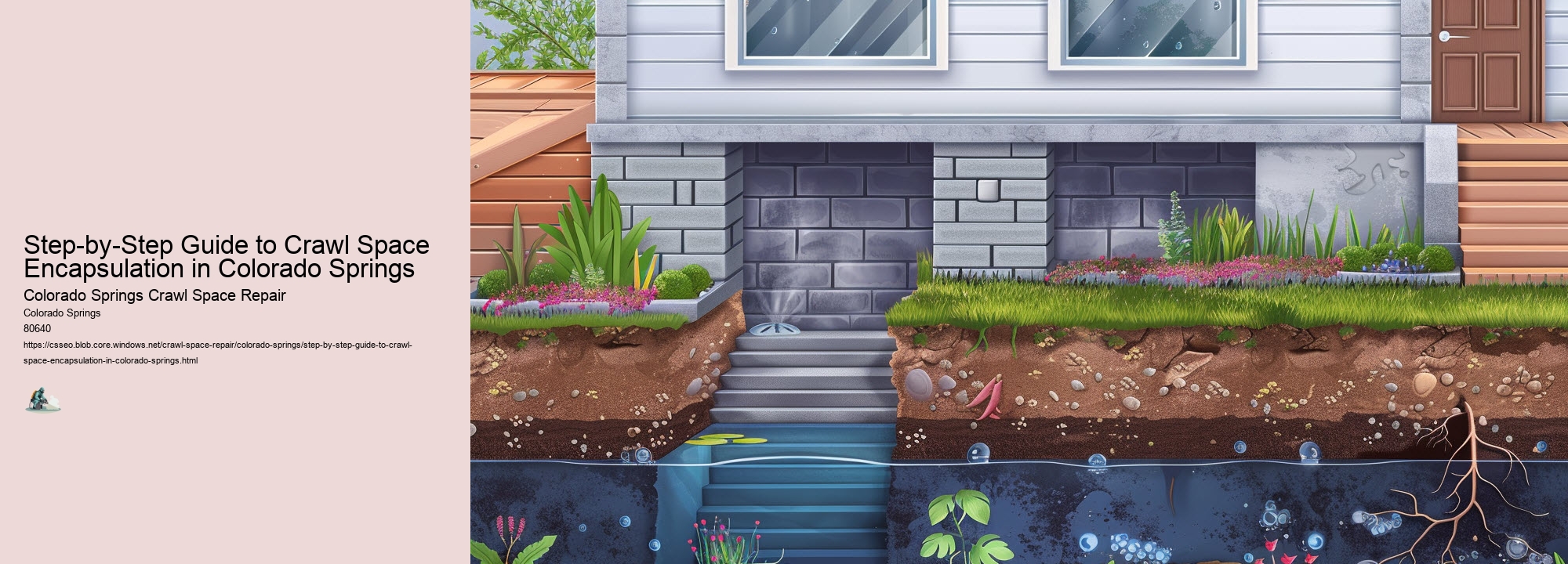
As you begin the journey of crawl space encapsulation in Colorado Springs, ensuring a meticulous approach is essential. From the initial inspection to the final sealing of cracks, each step plays a vital role in creating a robust barrier against moisture and pests. By understanding the nuances of this process, you'll not only enhance your home's structural integrity but also promote a healthier indoor environment. Stay tuned to uncover the intricacies of each phase and discover the key to a successful crawl space encapsulation in your Colorado Springs residence.
Benefits of Crawl Space Encapsulation
By encapsulating your crawl space, you can effectively control moisture levels and prevent issues such as mold growth and structural damage in your Colorado Springs home. Encapsulation involves sealing off the crawl space from the outside environment, creating a barrier that helps regulate humidity and temperature. This process not only safeguards your home's foundation but also improves indoor air quality by reducing the presence of allergens and pollutants that can enter through a damp crawl space.
Additionally, crawl space encapsulation can lead to energy savings by creating a more efficient thermal barrier. By preventing cold air from seeping into your home during the winter and hot air during the summer, you can reduce your heating and cooling costs.
Moreover, encapsulation helps to deter pests and rodents from nesting in your crawl space, minimizing the risk of infestations and damage to your property.
Inspection and Assessment
When beginning the crawl space encapsulation process, your first step is the initial inspection.
This involves a thorough examination of the crawl space to identify any issues.
The assessment report will outline the findings and recommendations for the encapsulation project.
Initial Inspection Process
Conducting a thorough initial inspection is the pivotal first step in the crawl space encapsulation process in Colorado Springs. When beginning the inspection, make sure that all access points to the crawl space are unobstructed and safe to enter.
Take note of any signs of water damage, mold growth, pests, or structural issues. Check for proper ventilation and insulation levels. Look for any plumbing leaks or electrical hazards that may need addressing before encapsulation. Use a flashlight to thoroughly examine all areas of the crawl space, including corners and hard-to-reach spots.
Take measurements of the space and document the conditions using photos or videos. Make a note of any existing vapor barriers or insulation present. This detailed inspection will provide essential information for creating a tailored encapsulation plan that addresses the specific needs of your crawl space.
Conducting a thorough initial inspection sets the foundation for a successful encapsulation project.
Assessment Report Findings
Upon completion of the initial inspection, the assessment report findings will outline the specific conditions and issues identified in the crawl space that require attention before encapsulation. The report will detail any signs of water intrusion, such as dampness or pooling water, which can lead to mold growth and structural damage if left unaddressed.
Additionally, it will highlight any pest infestations, such as rodents or insects, that need to be eradicated to prevent further damage and contamination. The assessment report will also identify any insulation deficiencies, air leaks, or ventilation problems that can impact the energy efficiency and indoor air quality of the home.
Furthermore, it will note any structural issues like sagging beams or foundation cracks that may compromise the stability of the crawl space. By thoroughly documenting these findings, the assessment report serves as an important roadmap for addressing and resolving these issues during the encapsulation process.
Clearing Out Debris
Before encapsulating your crawl space, it's essential to thoroughly clear out any debris present.
The debris removal process involves systematically eliminating all waste and unwanted materials from the area.
Remember to prioritize safety precautions during the cleanup to guarantee a secure working environment.
Debris Removal Process
To effectively clear out debris during the crawl space encapsulation process, begin by systematically removing all loose materials and obstructions from the designated area. Start by wearing appropriate personal protective equipment, such as gloves and a mask, to safeguard yourself from potential hazards.
Use a shovel or a broom to gather and remove any dirt, rocks, wood scraps, or other loose debris on the crawl space floor. Inspect the walls and ceiling for hanging wires, nails, or any protruding objects that could pose a safety risk; carefully remove these items to create a clean workspace.
Once the larger debris is cleared, use a vacuum or a shop vac to eliminate smaller particles, dust, and cobwebs. Pay special attention to corners and tight spaces where debris tends to accumulate. Thoroughly clean the entire area to establish a clean surface for the encapsulation process.
Proper debris removal is essential for the success of the encapsulation project, as it helps create a clean environment for installing the encapsulation materials.
Safety Precautions During Cleanup
Guarantee your safety during the cleanup process by wearing appropriate personal protective equipment and taking necessary precautions to avoid potential hazards.
Before starting the debris removal in your crawl space, make certain you have a respirator to protect your lungs from dust, gloves to shield your hands, and goggles to prevent eye irritation.
Confirm the area is well-ventilated by opening windows or using fans to avoid exposure to harmful airborne particles.
When handling debris, watch out for sharp objects, mold growth, or pest infestations that may pose health risks.
Use a sturdy container to dispose of the debris properly and avoid spreading contaminants in your home.
Take breaks as needed to prevent overexertion and stay hydrated throughout the cleanup process.
If you encounter any hazardous materials or encounter a situation beyond your expertise, consider seeking professional help to ensure a safe and thorough cleanup of your crawl space.
Sealing Vents and Gaps
Seal all vents and gaps in your crawl space to prevent moisture and unwanted pests from infiltrating your home's foundation. Start by identifying any openings where outside air can enter. Common areas for vents and gaps include around pipes, ductwork, and where the crawl space meets the exterior walls. Use a high-quality sealant to close these openings effectively. Silicone sealants or expanding foam are suitable options for sealing small gaps, while heavier-duty materials like concrete mortar may be needed for larger openings.
Ensure that all vents are securely sealed with vent covers to prevent moisture from seeping in. Additionally, inspect the perimeter of your crawl space for any cracks or crevices that need sealing. This step is essential in maintaining a moisture-free environment under your home.
Installing Vapor Barrier
Inspecting the crawl space for any existing moisture issues, the next step involves installing a vapor barrier to further safeguard your home's foundation. To begin, clear the crawl space of any debris or objects that may hinder the installation process. Confirm the entire area is clean and free of obstructions.
Measure the dimensions of the crawl space to determine the amount of vapor barrier needed. Cut the vapor barrier material to fit the space, allowing for some overlap at the seams. Start by laying the vapor barrier along the perimeter of the crawl space and work your way towards the center.
Secure the vapor barrier in place using adhesives, tapes, or mechanical fasteners. Make sure to seal any gaps or seams to prevent moisture from seeping through.
Additionally, consider installing a dehumidifier in the crawl space to regulate humidity levels and enhance the effectiveness of the vapor barrier.
Waterproofing Walls and Floor
To effectively waterproof the walls and floor of your crawl space, assess the current condition and identify areas vulnerable to moisture infiltration. Begin by inspecting the walls for any cracks, gaps, or signs of water seepage. Seal any visible cracks using a high-quality polyurethane caulk to prevent water from entering the crawl space.
Next, check the floor for dampness or standing water. If there are any puddles or wet spots, address the source of the water and guarantee proper drainage to keep the area dry.
After addressing visible issues, consider applying a waterproofing sealant to the walls and floor. This sealant creates a moisture barrier, reducing the risk of water damage and mold growth. Make sure to follow the manufacturer's instructions for proper application and drying times.
Additionally, installing a drainage system, such as a sump pump, can further prevent water buildup in the crawl space.
Insulating Pipes and Ducts
Consider carefully insulating pipes and ducts in your crawl space to prevent heat loss and maintain ideal temperature levels. Properly insulated pipes and ducts can help improve energy efficiency and prevent freezing during colder months. Here are three key reasons why insulating pipes and ducts is essential for your crawl space:
- Energy Efficiency: Insulating pipes and ducts helps to minimize heat loss, ensuring that your HVAC system operates more effectively. By reducing the amount of heat lost through uninsulated pipes and ducts, you can lower your energy bills and increase the overall comfort of your home.
- Preventing Freezing: In colder climates like Colorado Springs, insulating pipes and ducts is vital to prevent them from freezing. Frozen pipes can lead to costly repairs and water damage. Proper insulation helps maintain consistent temperatures, reducing the risk of freezing.
- Condensation Control: Insulation also helps control condensation that can form on pipes and ducts in humid conditions. By preventing condensation, you can avoid potential moisture issues that may lead to mold growth and structural damage. Insulating pipes and ducts is a simple yet effective way to protect your crawl space and ensure peak performance of your home's systems.
Encapsulating Crawl Space
Guarantee optimal moisture control and protection by encapsulating your crawl space. Encapsulating a crawl space involves creating a barrier that seals off the area from the external environment. This process helps prevent moisture, mold, and pests from infiltrating your home's foundation.
To encapsulate your crawl space effectively, start by cleaning out any debris, mold, or standing water. Next, install a vapor barrier across the floor and walls of the crawl space. This barrier acts as a shield against moisture seepage. Additionally, insulate the walls to maintain consistent temperatures and further protect against moisture.
After installing the vapor barrier and insulation, seal any gaps or cracks to ensure a tight enclosure. This step is essential in preventing air leakage and maintaining the effectiveness of the encapsulation.
Maintaining Encapsulated Space
Maintain the ongoing effectiveness of your encapsulated crawl space by implementing a regular maintenance schedule to address any issues promptly. Proper maintenance is vital to guarantee the longevity and functionality of your encapsulated space.
Here are three key maintenance tasks to keep your crawl space in top condition:
- Inspect Seals and Vapor Barrier: Regularly check the seals around the perimeter and entry points of your crawl space. Ensure that the vapor barrier is intact and free of any punctures or tears to prevent moisture intrusion.
- Monitor Humidity Levels: Use a hygrometer to monitor the humidity levels in your crawl space. Ideally, humidity levels should be below 50% to prevent mold growth and structural damage. Consider installing a dehumidifier if levels are consistently high.
- Check for Pest Activity: Regularly inspect for signs of pest infestation such as droppings, gnaw marks, or nesting materials. Address any pest issues promptly to prevent damage to the encapsulation system and your home.
Frequently Asked Questions
How Long Does Crawl Space Encapsulation Typically Last?
Crawl space encapsulation typically lasts 20 to 30 years, depending on various factors like installation quality, maintenance, and environmental conditions.
Over time, the encapsulation materials may wear down, necessitating repairs or reinstallation for best effectiveness.
Regular inspections and upkeep can extend the lifespan of the encapsulation system, ensuring it continues to protect your crawl space from moisture, mold, and other issues for years to come.
Can Crawl Space Encapsulation Help With Indoor Air Quality?
Yes, crawl space encapsulation can greatly enhance indoor air quality by preventing moisture, mold, and pests from infiltrating your home.
By sealing off the crawl space, you create a barrier that keeps out harmful pollutants and allergens.
This process helps maintain a healthier environment inside your home, reducing the risk of respiratory issues and other health problems associated with poor indoor air quality.
Will Encapsulating My Crawl Space Increase My Home's Value?
Encapsulating your crawl space can potentially increase your home's value. By improving indoor air quality, reducing moisture and mold issues, and enhancing energy efficiency, crawl space encapsulation can make your home more appealing to potential buyers.
A well-maintained crawl space also indicates proper care of the property, which can positively impact its value. Consider investing in encapsulation to not only enhance your living environment but also potentially boost your home's worth.
Do I Need to Leave My Home During Encapsulation?
You don't have to leave your home during crawl space encapsulation. However, it's advisable to stay away from the work area to guarantee safety and allow the professionals to work efficiently.
The encapsulation process might generate some noise and disturbance, so it's best to find a comfortable place outside your home until the encapsulation is completed. This precaution will help protect you and allow the experts to do their job effectively.
What Happens if I Need to Access Utilities in the Crawl Space?
If you need to access utilities in the crawl space during encapsulation, it's important to coordinate with the professionals handling the project. They can create temporary access points or work around the utilities as needed.
Safety precautions should be followed, and any adjustments to the encapsulation process should be carefully planned to maintain the integrity of the encapsulation barrier.
Communication with the encapsulation team is crucial to guarantee a smooth process while accessing utilities.
Conclusion
To summarize, diligently following the step-by-step guide to crawl space encapsulation in Colorado Springs will guarantee a well-sealed and insulated space that effectively controls moisture and improves indoor air quality.
By conducting regular inspections and maintenance, you can secure the longevity and effectiveness of the encapsulation process.
Taking these proactive steps won't only safeguard your home from potential issues but also enhance its overall energy efficiency and comfort.
The Ultimate Guide to Crawl Space Repair in Colorado Springs